
Types of Birds Explained: Raptors, Songbirds, Water Birds & More
Birds captivate our imagination with their stunning colors, melodious songs, and incredible flight abilities. From the majestic raptors soaring high above to the humble songbirds filling our gardens with sweet tunes, the avian world offers an astonishing variety. Understanding the different types of birds is not only fascinating but also essential for appreciating biodiversity. In this comprehensive guide, we’ll delve into the various types of birds explained, including raptors, songbirds, water birds, and more. So, whether you’re a birdwatching enthusiast or just curious, let’s take a closer look at these feathered wonders!
What Are Birds?
To start, it’s crucial to understand what exactly defines a bird. Birds are warm-blooded vertebrates belonging to the class Aves, characterized by their feathers, beaks, and the ability to lay eggs. They inhabit every corner of the globe, from the lush rainforests to the barren deserts and even the icy tundras. Birds have adapted to various environments, which has led to the emergence of numerous species, each with unique traits and behaviors.
Birds play significant roles in ecosystems. They assist in pollination, seed dispersal, and pest control, contributing to the health of their habitats. Their songs and calls are not merely for communication; they also play roles in mating and territory defense. In essence, birds are more than just beautiful creatures; they are integral to the ecological balance of our planet.
Raptors: The Kings of the Sky
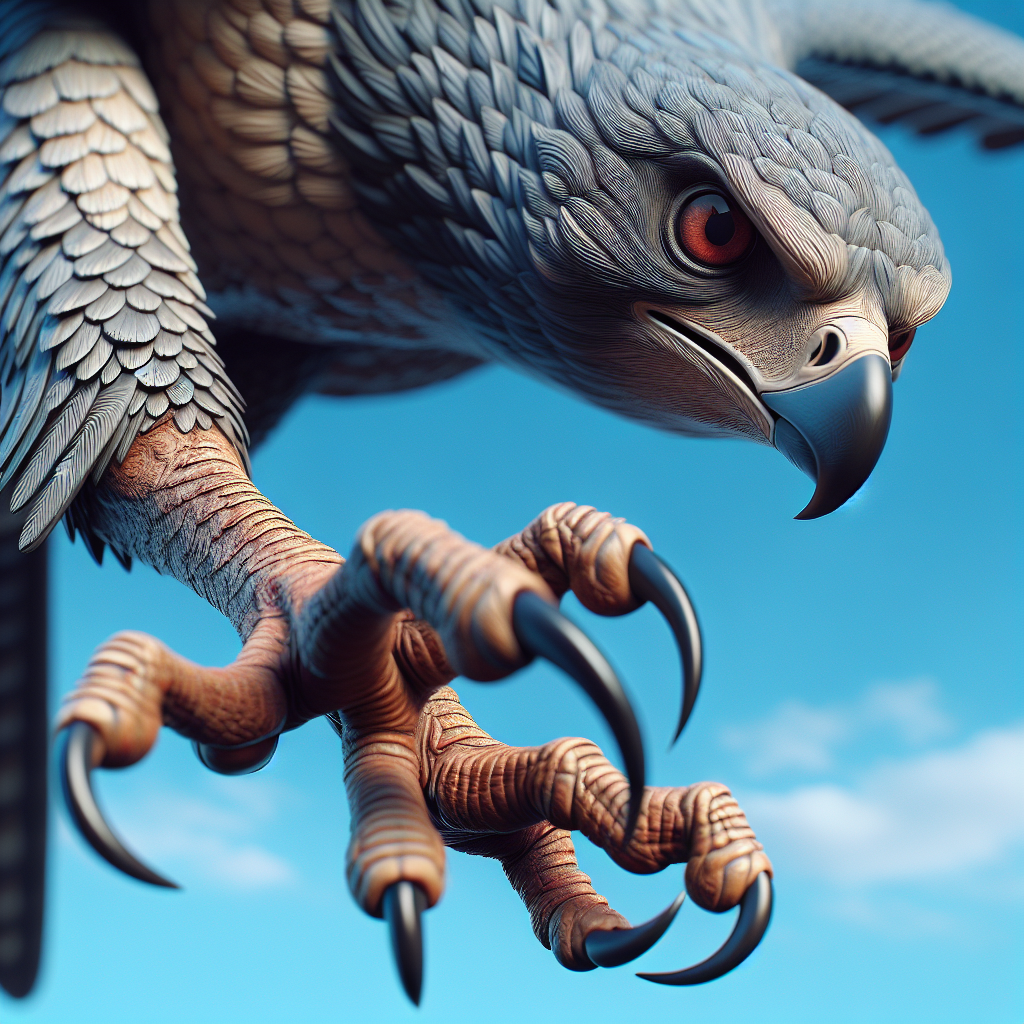
Raptors, also known as birds of prey, include species like eagles, hawks, falcons, and owls. These birds are renowned for their keen eyesight, sharp talons, and powerful beaks, which make them exceptional hunters. The term ‘raptor’ comes from the Latin word ‘rapere,’ meaning to seize or take by force. This aptly describes their hunting prowess, as they often hunt live prey.
One of the most impressive features of raptors is their eyesight. Many can see up to eight times better than humans, enabling them to spot prey from great distances. For instance, the bald eagle can spot a fish swimming beneath the water’s surface from hundreds of feet in the air. Their hunting techniques vary by species; some, like the peregrine falcon, dive at incredible speeds to catch their prey mid-air, while others, like the great horned owl, rely on stealth and silent flight to ambush unsuspecting animals.
Types of Raptors
Raptors can be classified into several categories based on their size and hunting methods. Eagles are large, powerful birds known for their strength and impressive wingspans, while hawks are smaller and more agile, often seen soaring in the sky. Falcons are fast and nimble, making them excellent aerial hunters. Owls, with their distinctive calls and nocturnal habits, are fascinating raptors that hunt at night, using their exceptional hearing to locate prey in the dark.
Songbirds: The Melodic Marvels
When you think of birds, songbirds are likely the first that come to mind. This diverse group, known scientifically as Passeriformes, makes up more than half of all bird species. They’re characterized by their vocal abilities, which range from beautiful melodies to complex songs. These vocalizations serve various purposes, including attracting mates, establishing territory, and communicating with other birds.
One of the most enchanting aspects of songbirds is their wide variety of songs. For example, the American robin is known for its cheerful, whistling song that heralds the arrival of spring. In contrast, the complex songs of the common nightingale have inspired poets and musicians for centuries. The ability to sing is often linked to their social structures; males typically sing to attract females and defend their territory from rivals.
Characteristics of Songbirds
Songbirds possess unique anatomical features that aid in their vocal abilities. Their syrinx, a specialized vocal organ located at the base of the trachea, allows them to produce a diverse range of sounds. Additionally, the structure of their vocal cords and the shape of their mouths can influence the quality and pitch of their songs. Beyond their vocal skills, many songbirds exhibit vibrant plumage, with colors and patterns that can vary significantly between species, often playing a role in mating displays.
Water Birds: Masters of Aquatic Environments
Water birds, which include species like ducks, swans, and herons, are specially adapted to life near or in water. These birds have unique physical features that enable them to thrive in aquatic habitats. For instance, many have webbed feet that make them excellent swimmers, while others possess long legs for wading in shallow waters.
Water birds play a crucial role in their ecosystems. They help maintain healthy water bodies by controlling insect populations, dispersing seeds, and even aiding in aquatic plant growth. Their feeding habits vary widely; some, like ducks, dabble on the water’s surface, while others, like pelicans, dive to catch fish. The diversity of feeding strategies among water birds reflects the adaptability and resourcefulness of these species.
Types of Water Birds
Water birds can be grouped into several categories. Dabbling ducks, like the mallard, feed on the water’s surface, tipping their bodies to reach underwater vegetation. Diving birds, such as loons and mergansers, dive deep to catch fish. Wading birds, including herons and storks, stand on long legs and use their sharp beaks to catch fish or amphibians in shallow waters. Each type of water bird has adapted uniquely to its environment, showcasing the incredible evolution of avian species.
Game Birds: The Hunters’ Favorites
Game birds, such as pheasants, quail, and grouse, are often pursued by hunters for sport. These birds are typically ground-dwelling and are known for their camouflaged plumage, which helps them evade predators. Their ability to fly short distances quickly makes them challenging targets for hunters, adding to the excitement of the hunt.
Game birds are usually found in grasslands, forests, and wetlands, where they can forage for seeds, insects, and small plants. Their social behavior varies; some species, like the wild turkey, are known for their complex social structures, while others, like quail, often form coveys for protection. The popularity of game birds in hunting culture has led to efforts to manage and conserve their populations, ensuring that these fascinating species continue to thrive.
Conservation of Game Birds
In recent years, conservation efforts have become vital for maintaining healthy game bird populations. Habitat restoration and sustainable hunting practices are essential for ensuring these birds do not face extinction. Organizations and wildlife agencies work tirelessly to educate hunters about responsible practices and promote the importance of habitat conservation. By understanding the ecological roles of game birds, we can appreciate their value beyond just sport.
Exotic Birds: The Colorful Wonders of the World
Exotic birds bring a splash of color and intrigue to the avian world. Species like parrots, toucans, and flamingos are often featured in wildlife documentaries, captivating audiences with their vibrant plumage and unique behaviors. These birds are not only visually stunning but also possess remarkable intelligence and adaptability.
Parrots, for instance, are known for their ability to mimic human speech and sounds from their environment. This skill showcases their cognitive abilities and social nature. Toucans, with their oversized beaks, play a crucial role in their ecosystems by helping to disperse seeds. Meanwhile, flamingos are famous for their pink feathers, which result from their diet rich in carotenoids found in algae and crustaceans.
Habitat and Conservation of Exotic Birds
Many exotic birds are native to specific habitats, such as rainforests or wetlands, making them vulnerable to habitat loss and climate change. Conservation efforts focus on protecting these habitats and creating awareness about the threats these birds face. Ecotourism has also emerged as a way to support conservation while allowing people to experience the beauty of exotic birds in their natural environments.
Common Birds: Our Feathered Neighbors
Common birds, like sparrows, pigeons, and starlings, are often found in urban and suburban areas. These birds have adapted remarkably well to human environments, using our structures and resources for nesting and feeding. Their resilience speaks to their survival instincts and adaptability.
Despite their prevalence, common birds often go unnoticed. They play vital roles in our ecosystems, contributing to pest control and pollination. For instance, sparrows can help control insect populations in gardens, while pigeons can serve as seed dispersers. Observing these birds can be a rewarding experience, offering insights into their behaviors and interactions with the environment.
Birdwatching and Its Benefits
Birdwatching is a popular hobby that allows people to connect with nature while appreciating common birds. This activity encourages individuals to explore parks, gardens, and natural areas, fostering environmental awareness. Birdwatching also promotes mental well-being, as spending time outdoors has been shown to reduce stress and improve mood. Whether you’re a seasoned birdwatcher or a casual observer, taking the time to appreciate our feathered neighbors can enhance your connection to nature.
Endangered Birds: A Call to Action
Sadly, many bird species face extinction due to habitat loss, climate change, and poaching. Endangered birds, such as the California condor and the kakapo, serve as reminders of the delicate balance of ecosystems and the urgent need for conservation efforts. Protecting these species requires a collective commitment from individuals, organizations, and governments.
Conservation initiatives often focus on habitat restoration, breeding programs, and legal protections. Raising awareness about the plight of endangered birds is crucial for garnering support and funding for these efforts. By understanding the challenges that these species face, we can take meaningful action to protect them and preserve the biodiversity of our planet.
How to Get Involved in Bird Conservation
Getting involved in bird conservation can take many forms, from volunteering with local wildlife organizations to participating in citizen science projects. Supporting sustainable practices and advocating for environmental policies also contribute to the protection of bird habitats. Every little effort counts, and by working together, we can create a brighter future for our feathered friends.
Conclusion: Embracing the Diversity of Birds
The world of birds is rich and diverse, filled with species that each have unique characteristics and behaviors. From the **raptors** soaring high in the sky to the melodious **songbirds** gracing our gardens, and the **water birds** elegantly gliding across lakes, each type plays a significant role in our ecosystems. Understanding the **types of birds explained** in this article not only enhances our appreciation for these creatures but also underscores the importance of their conservation. As we learn more about birds, let’s commit to protecting their habitats and ensuring that future generations can experience the beauty of our avian friends.