
Introduction
Have you ever noticed a tiny creature crawling across your kitchen counter or fluttering near the window? If so, you’re not alone! Many people encounter insects in their homes daily, and while some are harmless, others can be quite bothersome. Understanding the most common insects you find at home is crucial for managing and preventing infestations. This comprehensive identification guide will help you identify these insects, understand their behaviors, and learn how to deal with them effectively.
Insects are nature’s ultimate survivors, thriving in various environments, including our very own homes. They can be categorized into numerous families and species, each with unique characteristics. From ants marching in a line to the occasional spider lurking in a corner, each insect plays a role in our ecosystem, even if it isn’t always welcome in our living spaces. This guide provides insights into their identification, habits, and tips for keeping them at bay.
Types of Common Household Insects
When it comes to the most common insects you find at home, they can be broadly categorized into several groups, including ants, cockroaches, flies, and spiders. Each group has its own distinct features and behaviors, making it easier to identify them.
For instance, ants are social creatures, often found in large colonies. They can invade kitchens in search of food, leaving a trail behind them. Cockroaches, known for their resilience, can hide in the smallest of spaces and are often associated with unsanitary conditions. Understanding these categories can help you pinpoint the insects you might encounter.
Identifying Ants
Ants come in various species, such as carpenter ants, fire ants, and odorous house ants. Carpenter ants are larger and can damage wood, while fire ants are aggressive and their bites are painful.
Identifying Cockroaches
Cockroaches, like the American or German cockroach, are typically brown and have a flat, oval shape. They thrive in warm, moist areas and can reproduce quickly, leading to larger infestations.
Common Insect Identification Strategies
Identifying insects in your home starts with observation. Look for key traits such as color, size, and behavior patterns. For example, many insects have distinctive body shapes or colors that can help you figure out what they are. You might see a small, shiny black bug scurrying across the floor; this could be a *carpenter ant* or a *black carpenter bee*. Each species has unique characteristics that can help you differentiate them.
Another effective strategy is to pay attention to where you find them. Some insects are attracted to specific areas of your home, such as kitchens or bathrooms, due to moisture or food sources. For instance, if you spot small flying insects around your fruit bowl, you may be dealing with fruit flies. Understanding these patterns can significantly enhance your identification skills.
Using Identification Apps
In today’s digital age, several mobile apps can assist you in identifying insects. Apps like iNaturalist allow users to take photos of insects and receive instant feedback from a community of experts.
Consulting Field Guides
Field guides are another excellent resource for identifying insects. These books often feature images and detailed descriptions, making it easier to compare and contrast different species.
Behavioral Patterns of Common Insects
Understanding the behavior of insects can also aid in identification and management. For instance, pests like cockroaches are primarily nocturnal and prefer to stay hidden during the day. They often congregate in dark, damp areas, making sightings more common at night.
Ants, on the other hand, are social insects that work collectively. Their foraging patterns can lead them to various food sources, and observing their trails can help you find their nest. Recognizing these behaviors can provide clues about how to manage them effectively.
The Nocturnal Nature of Cockroaches
Cockroaches are most active at night. If you hear rustling sounds or see them scurrying away when you turn on the lights, it’s a sure sign of their presence. Their rapid movements and ability to hide quickly make them challenging to catch. Shark Species: Complete Guide to Types of Sharks
The Social Dynamics of Ants
Ants communicate through pheromones, which help them find food and navigate back to their nests. If you notice a line of ants following a specific path, they’re likely using these chemical trails to direct their colony to a food source.
How to Prevent Insect Infestations
Prevention is key when it comes to managing the most common insects you find at home. Taking proactive measures can minimize the chances of an infestation. Start by keeping your home clean. Regularly vacuuming and wiping down surfaces reduces food sources that attract insects.
Additionally, sealing cracks and crevices around windows and doors can prevent insects from entering. Pay special attention to areas where plumbing enters your home; these can be gateways for pests. Using screens on windows and doors can also be a simple yet effective method to keep insects out while allowing fresh air in.
Maintaining Hygiene
Maintaining a clean environment is essential for deterring insects. Ensure food is stored in airtight containers, and immediately clean up spills or crumbs. Regularly taking out the trash and keeping garbage cans sealed can also significantly lower the chances of attracting pests.
Sealing Entry Points
Inspect your home for entry points where insects might enter. Look for gaps around windows, doors, and even utility lines. Sealing these gaps with caulk or weather stripping can create a barrier that keeps unwanted guests out.
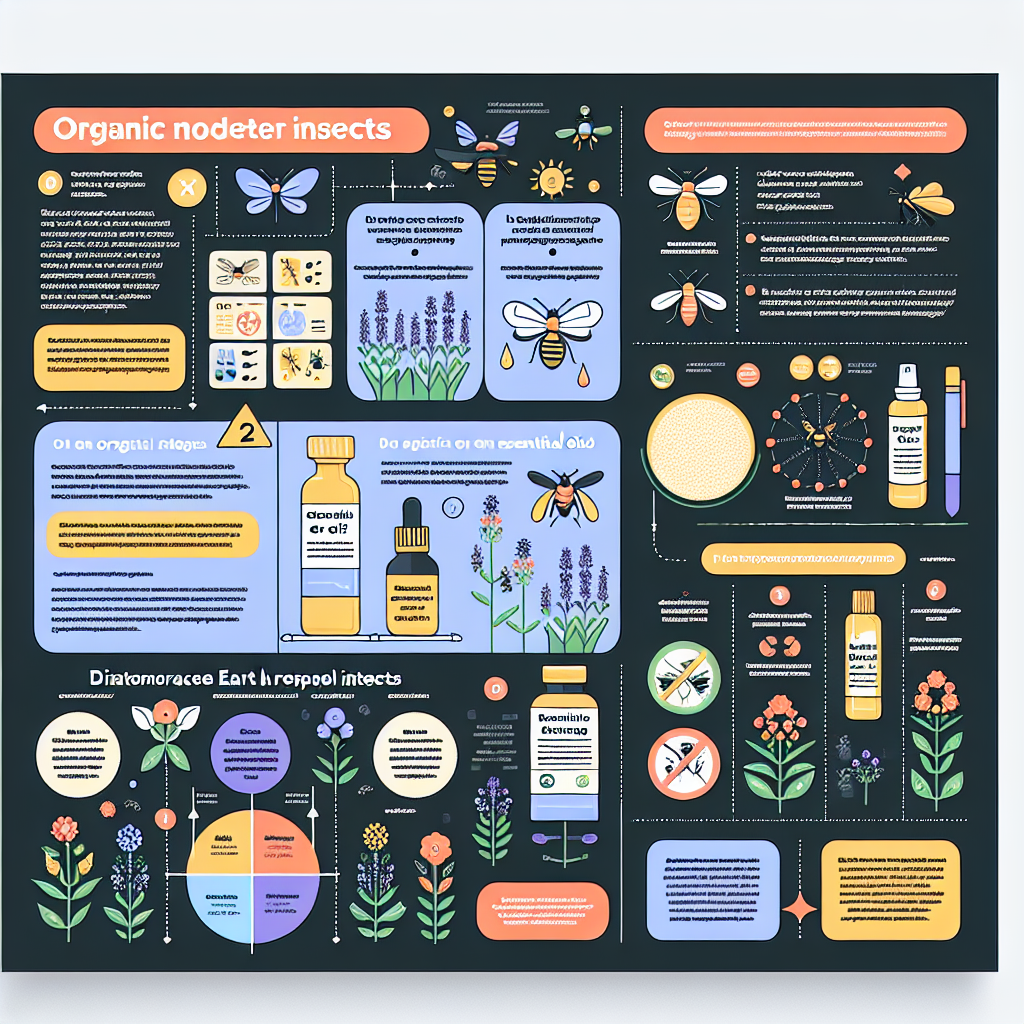
Natural Remedies for Insect Control
If you prefer a more natural approach to managing insects, there are several remedies you might consider. Essential oils, such as peppermint and tea tree oil, are known for their insect-repelling properties. Spraying a mixture of these oils with water around entry points can deter insects from entering.
You can also use diatomaceous earth, a natural powder that can kill insects by dehydrating them. Sprinkle it in areas where you’ve noticed insect activity. It’s safe for pets and children but highly effective against pests.
Using Essential Oils
Essential oils can be a powerful tool in natural insect control. For example, peppermint oil is particularly effective against spiders and ants. Mixing a few drops of peppermint oil with water and spraying it around your home can help repel these insects.
Diatomaceous Earth
Diatomaceous earth works by piercing the exoskeletons of insects, leading to dehydration. It’s effective against a variety of pests, including cockroaches and ants. Just be sure to apply it in areas where pets and children won’t disturb it.
Understanding the Life Cycle of Household Insects
Knowing the life cycle of the insects in your home can provide valuable insights for effective management. For instance, many common household insects undergo metamorphosis, which includes stages such as egg, larva, pupa, and adult. Understanding these stages can help you target your pest control efforts more effectively.
For example, if you notice a fruit fly infestation, treating only the adults won’t solve the problem. You need to disrupt their breeding cycle by eliminating eggs and larvae as well. Recognizing these stages is crucial for long-term pest control strategies.
Stages of Ant Development
Ants start as eggs, then develop into larvae and pupae before reaching adulthood. This process can take several weeks, depending on the species and environmental conditions. Knowing this can help you determine when to take action against them. Freshwater vs Saltwater Fish – Differences & Examples
Cockroach Life Cycle
Cockroaches can reproduce rapidly, laying dozens of eggs at a time. The nymphs hatch and resemble miniature adults, gradually developing into full-grown cockroaches. Understanding their life cycle is key to effective control, as you’ll need to target both adults and young.
When to Call a Professional
Sometimes, despite our best efforts, insect infestations can spiral out of control. If you find yourself overwhelmed by pests, it may be time to call in professional pest control services. They have the expertise and tools necessary to manage infestations more effectively than DIY methods.
Professionals can assess the severity of the infestation, identify the species involved, and apply targeted treatments that are often more effective than over-the-counter solutions. They can also provide valuable advice on long-term prevention strategies to keep your home pest-free.
Signs of a Serious Infestation
If you notice a sudden surge in insect activity, such as cockroaches scurrying across your floor or ants invading your pantry, it’s a clear sign that you need professional help. Similarly, if you see signs of damage, such as chewed wood or nesting materials, act quickly.
Benefits of Professional Pest Control
Hiring professionals can save you time and stress. They can offer long-lasting solutions and help you implement preventive measures to avoid future infestations. Plus, their expertise means they can handle more challenging infestations that might be beyond DIY methods.
FAQs (Trending)
What are the most common insects found in homes?
The most common insects you find at home include ants, cockroaches, spiders, and flies. Each has unique characteristics and behaviors that can help you identify them.
How can I identify different types of ants?
To identify ants, observe their size, color, and behavior. Carpenter ants are larger and can damage wood, while fire ants are aggressive and have painful bites.
Are essential oils effective for insect control?
Yes, essential oils like peppermint and tea tree oil can repel various insects. Mixing them with water and spraying them around your home can help deter pests.
When should I call pest control?
If you notice a significant increase in insect activity or signs of damage, it’s time to call professionals. They can provide effective treatment and prevention strategies.
How can I prevent insects from entering my home?
To prevent insects, keep your home clean, seal entry points, and maintain proper food storage. Regular inspections can also help you catch potential problems early.