
Crafting Unique Animal Characters: The Foundation
Creating animal characters that resonate with players is a blend of creativity, design, and storytelling. First, think about what kind of animal you want to portray. Consider the personality traits that you’d like your character to embody. Will they be playful and mischievous like a fox, or wise and stoic like an owl? Defining these traits early helps you create a character that feels authentic and engaging.
For example, let’s take a playful squirrel. Imagine its character being filled with boundless energy, always on the lookout for acorns and mischief. You could give it a quirky backstory, like having been raised by a family of raccoons, which adds a unique twist to its personality. Players are likely to connect with this character as they see its antics unfold throughout the game.
Next, sketch out your character’s physical attributes. What makes them stand out? Do they have unique markings, vibrant colors, or a distinct style? Draw inspiration from real animals but don’t shy away from mixing traits. A combination of a lion’s mane and a parrot’s colors can create something truly special. Think about a character that embodies the strength of a bear with the vibrant feathers of a tropical bird—this creates a visually striking character that could symbolize courage and creativity. Remember, animal characters often symbolize traits that players can relate to, so think deeply about the message you want to convey.
Understanding Your Audience: What Players Want
Before you dive into the design process, it’s crucial to understand your target audience. Are you designing for children, teens, or adults? Each demographic will have different preferences when it comes to animal characters. For instance, younger players might enjoy cute, cartoonish animals, while older players might appreciate more complex designs that reflect a deeper narrative.
Moreover, consider the gameplay mechanics. If your game involves a lot of action, your animal character might need to look fierce and agile. On the other hand, if it’s a leisurely puzzle game, a softer design might be more appropriate. Conduct surveys, gather feedback on existing characters, and study successful games to get a sense of what resonates with your audience. For instance, in a game designed for teens, you might introduce a character like a rebellious raccoon with an edgy design that appeals to their sense of adventure.
Understanding what players want doesn’t just stop at aesthetics. Consider their preferences in gameplay interactions as well. For example, younger audiences might appreciate characters that talk and interact in fun, silly ways, while older players might prefer more nuanced dialogues that convey depth and complexity.
Designing the Visual Element: From Concept to Creation
Once you have a clear idea of your animal character’s traits and target audience, it’s time to move on to the visual design. Start with sketches that explore different poses and expressions. This stage is about experimentation. Don’t hesitate to explore various styles, from realistic to cartoonish, to find what suits your character best.
Digital tools like Adobe Illustrator or Procreate can be incredibly beneficial for creating detailed designs. Use layers to separate different parts of your character, allowing for easier adjustments. Pay attention to color palettes; vibrant colors can attract attention, while muted tones might convey sophistication. Think about how your animal character fits within the game’s world. Are they part of a lush forest, a bustling city, or a mystical underwater realm? Their design should harmonize with the game’s overall aesthetic.
For example, if you’re designing a character who lives in a vibrant coral reef, think about incorporating bright colors and patterns that reflect marine life. You could design a fish character with scales that shimmer in different hues, making it visually appealing and thematically appropriate. You can find inspiration by looking at [Explore 200 Animals Name with Picture for Easy Learning](https://randomanimalgenerators.com/200-animals-name-with-picture/) and noticing how colors and patterns can create unique character designs.
Animating Your Character: Bringing Life to Your Design
Animating your animal character is where the magic happens. Good animation can convey emotion and personality in ways that static images cannot. Start by defining the key poses your character will take. What will they look like when they jump, run, or interact with other characters? Creating a storyboard can help visualize these actions and ensure that your character’s movements feel coherent and engaging.
Tools like Spine or Adobe Animate can help you create smooth animations. When animating, consider the physics of the animal you’re portraying. A rabbit will have a different running style than a bear. Make sure the animations feel natural and fluid. For instance, a character with long legs, like a kangaroo, would have a bouncing motion, while a character based on a tortoise would move slowly and deliberately, emphasizing its cautious nature. Testing your animations in-game will help you tweak any awkward movements.
One personal anecdote I’d like to share is about a game I worked on featuring a fox character. During playtesting, we realized its jumping animation felt too stilted. After revising the motion to incorporate more fluidity and a bounce, players remarked it felt more alive and engaging. Always be open to feedback during this crucial stage.
Character Backstory: Adding Depth and Engagement
To make your animal character truly memorable, you need to give them a backstory. This doesn’t have to be overly complicated but should provide enough context to make your character relatable. Consider their motivations, fears, and dreams. What led them to embark on their journey? A well-thought-out backstory can enhance player engagement and emotional connection. Ultimate Animal Charades Generator for Fun Family Games
For example, a fox might be on a quest to find its lost family, while a turtle could be seeking a legendary treasure to save its home. Incorporating these elements into your character’s dialogue and interactions can make them feel more alive within the game world. Players love to discover the history behind their characters, as it adds an extra layer of intrigue to the gameplay experience.
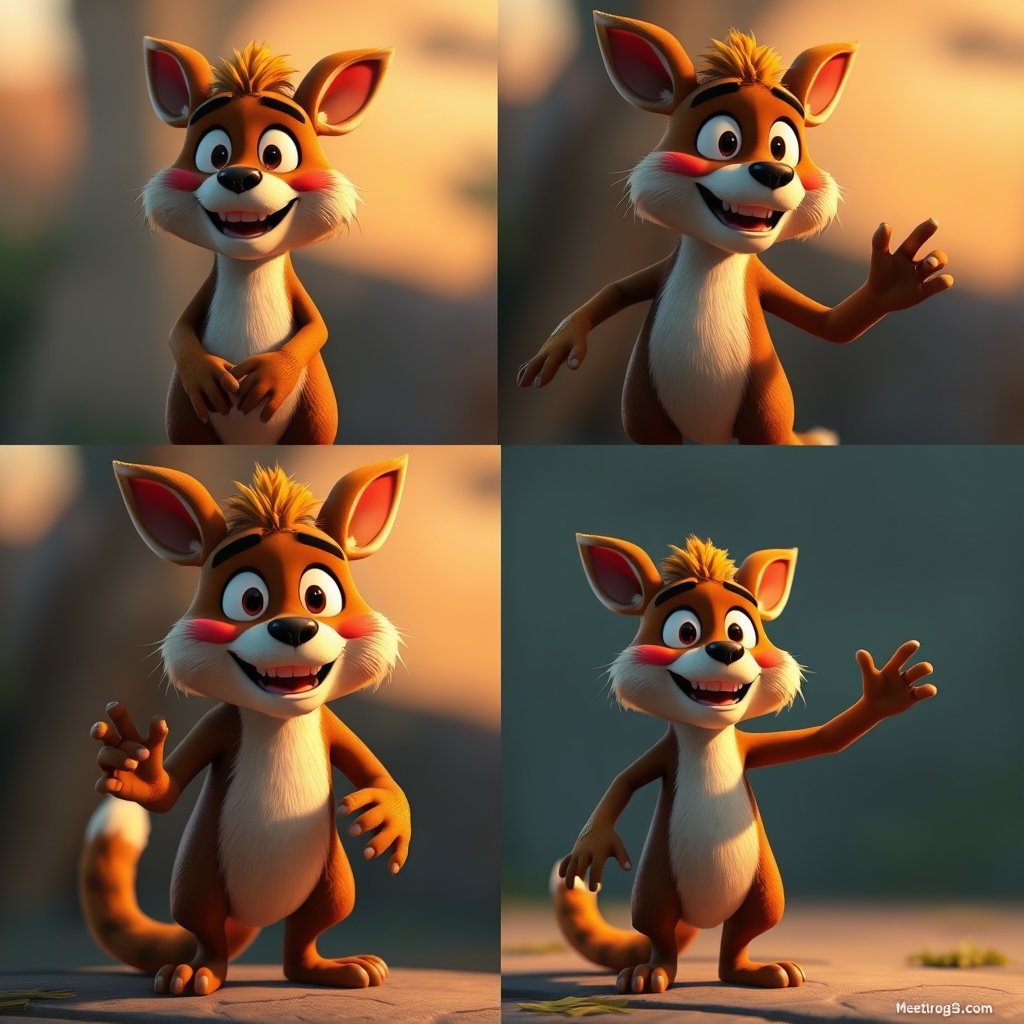
Take inspiration from successful games like Animal Crossing, where each villager has its unique backstory. Imagine the emotional weight a player feels when they learn that their character, a gentle deer, is trying to rebuild its forest home after a storm. This kind of storytelling not only enriches the character but also makes for a more immersive gaming experience.
Integration into Gameplay: Ensuring Cohesion
Once you have your character designed and animated, it’s essential to integrate them smoothly into the gameplay. Your character should feel like a natural part of the game mechanics. This is where playtesting becomes critical. Watch how players interact with your character and gather feedback.
Are there any parts of the gameplay where your character feels out of place? Does their animation mesh well with game mechanics? If players find it hard to connect with your character, it might be worth revisiting some design choices. The aim is to create a cohesive experience where players feel their choices matter and their character is integral to the game’s story.
For instance, if you designed a character that can fly, ensure that the gameplay allows for vertical exploration. A bird character that can only run on the ground feels like a missed opportunity. Testing various mechanics and ensuring the character’s abilities align with the gameplay can significantly enhance player experience.
Character Customization: Enhancing Player Experience
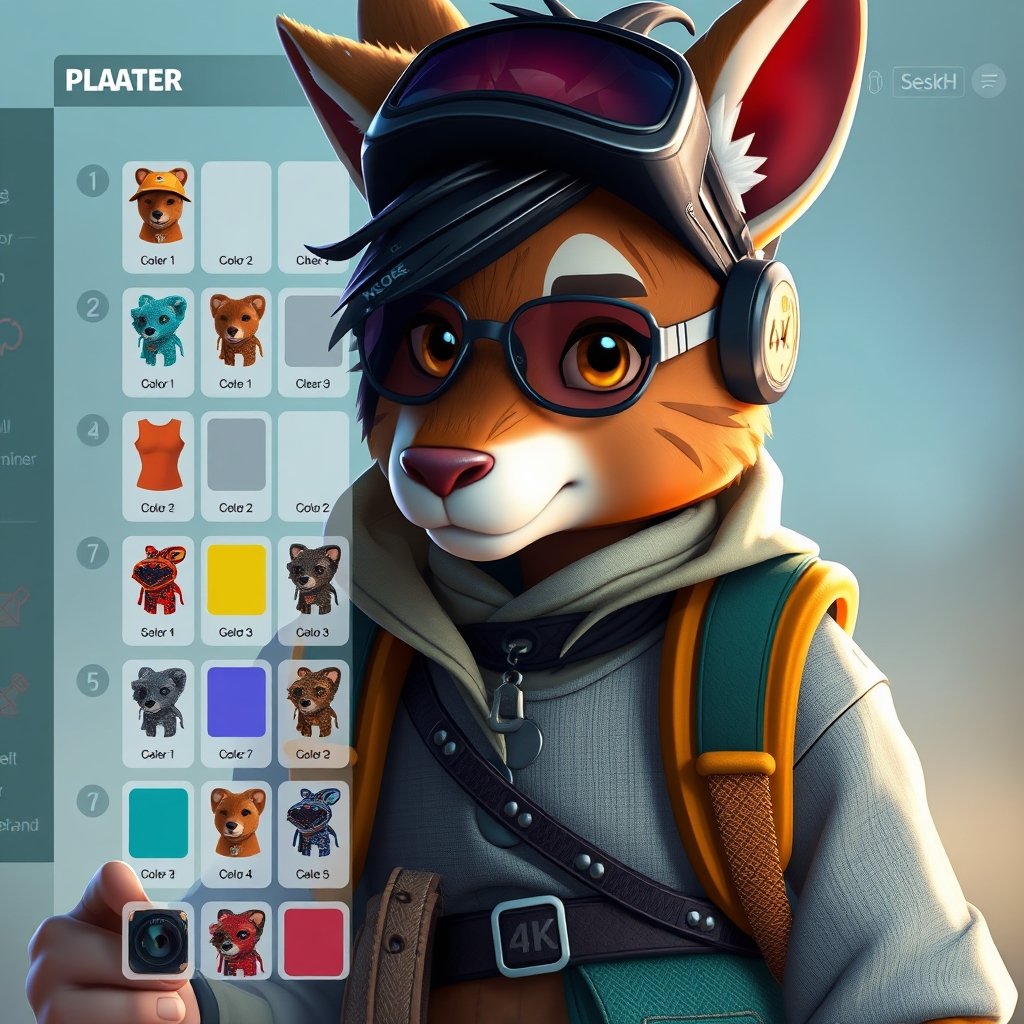
Incorporating character customization options can greatly enhance player engagement. Allowing players to tweak aspects of their animal character, such as colors, outfits, and accessories, can make the character feel more personalized. This gives players a sense of ownership over their character, which can lead to a deeper emotional connection.
Consider a system where players can unlock new customization options as they progress through the game. This not only keeps players invested but also encourages exploration. You might even consider seasonal updates or events that introduce limited-time customization options, keeping the experience fresh. For example, a holiday-themed outfit for a character could draw players back into the game, excited to see what’s new.
Moreover, customization can be a powerful tool for storytelling. If a character starts off in simple attire but gradually acquires intricate outfits as they complete quests, it can visually represent their growth and journey within the game.
Testing and Feedback: The Importance of Iteration
No character is perfect from the get-go. After you’ve implemented your animal character into the game, it’s crucial to conduct extensive testing. Gather a group of beta testers to play the game and provide feedback specifically on the character’s design, animations, and overall engagement.
Pay attention to their reactions. Do they feel connected to the character? Are there aspects that confuse them or detract from their experience? Don’t be afraid to make changes based on feedback. Iteration is key in game design, and being open to revisions can lead to a more polished final product. You might find that what you thought was a quirky trait is actually confusing for players. For example, a character who doesn’t follow traditional animal behaviors could be endearing to you but bewildering to the audience.
Case studies of successful games often showcase the importance of this feedback loop. Games like *Stardew Valley* benefited significantly from community input, leading to enhancements that kept players returning again and again.
Marketing Your Character: Building a Brand
Once your character is ready to shine, it’s time to think about marketing. A strong brand presence can significantly enhance your game’s visibility. Create social media accounts dedicated to your game and share your character’s journey, backstory, and design process. Engaging visuals and animations can capture potential players’ attention. Explore 200 Animals Name with Picture for Easy Learning
Consider collaborating with influencers or streamers who can showcase your character in action. You might also want to create a dedicated website or blog where fans can learn more about the character and the game itself. This builds a community around your character and game, increasing interest and engagement. For instance, hosting a character reveal live stream can generate buzz and excitement, drawing in a crowd eager to see your creation come to life.
Moreover, consider creating unique merchandise related to your character. Whether it’s plush toys, stickers, or apparel, these items can help solidify your character’s presence in the real world and foster a deeper connection with fans.
Learning from Others: Analyzing Successful Animal Characters
One of the best ways to improve your own character design is to analyze successful examples. Look at well-loved animal characters in popular games like Sonic the Hedgehog or Crash Bandicoot. What characteristics make them memorable? How do they engage with their worlds?
Pay attention to their visual design, backstories, and gameplay mechanics. For example, Sonic’s speed and attitude create a strong personality that players love. What can you take from these characters to inspire your own? Learning from the successes and failures of others can provide invaluable insights for your own creative process. It’s helpful to do a deep dive into characters from various genres and address what resonates with audiences across the board.
Do not forget to consider characters from indie games as well. They often showcase unique designs and narratives that can inspire your creativity. For instance, consider the character designs from *Untitled Goose Game*, where the mischievous goose captures hearts through simple yet effective animation and engaging gameplay.
Conclusion
Creating animal characters in games is a rewarding process that combines art, storytelling, and gameplay mechanics. By focusing on unique traits, appealing designs, and engaging backstories, you can craft characters that players will remember and cherish. Always keep your audience in mind, iterate based on feedback, and don’t hesitate to explore new ideas. With dedication and creativity, you can bring unforgettable animal characters to life in your games.
FAQs
What are the key traits to consider when designing an animal character?
Focus on personality traits, physical attributes, and how they relate to your game’s theme. Think about what makes your character unique.
How can I engage my audience with my animal character?
Incorporate relatable backstories and allow for character customization to foster a sense of ownership and connection.
What tools can I use for character animation?
Software like Spine, Adobe Animate, or Unity can help you create smooth and engaging animations for your characters.
Why is playtesting important in character design?
Playtesting helps identify areas for improvement and ensures that your character feels integrated and engaging within the gameplay.
How can I market my animal character effectively?
Create a strong social media presence, engage with influencers, and build a community around your character and game.