
Best Ways to Use Random Animals for Learning Biology
Diving into the world of biology can feel like opening a door to a vast, unfamiliar territory. But what if I told you that using random animals could make this journey not just educational but also entertaining? Yes, learning biology through the lens of unexpected creatures can ignite curiosity and deepen understanding. Let’s explore how random animals can transform your biology lessons into an exciting adventure.
Introduction to Using Random Animals in Biology
Biology is the study of life, from the tiniest microbes to the largest mammals. By introducing random animals into the learning process, students can gain unique insights into biological processes and ecosystems. Imagine stumbling upon a creature you’ve never heard of; the intrigue alone can spark a desire to learn more. This approach not only enhances knowledge but also fosters critical thinking as students analyze and compare different organisms.
The Role of Curiosity in Learning Biology
Curiosity is the engine of learning, especially in biology. When faced with a random animal, students often find themselves asking questions. What is this creature’s habitat? What are its survival strategies? By seeking answers, they delve deeper into biological concepts. This method encourages active learning, as students engage directly with the subject matter, rather than passively absorbing information.
Engaging Students through Unfamiliar Creatures
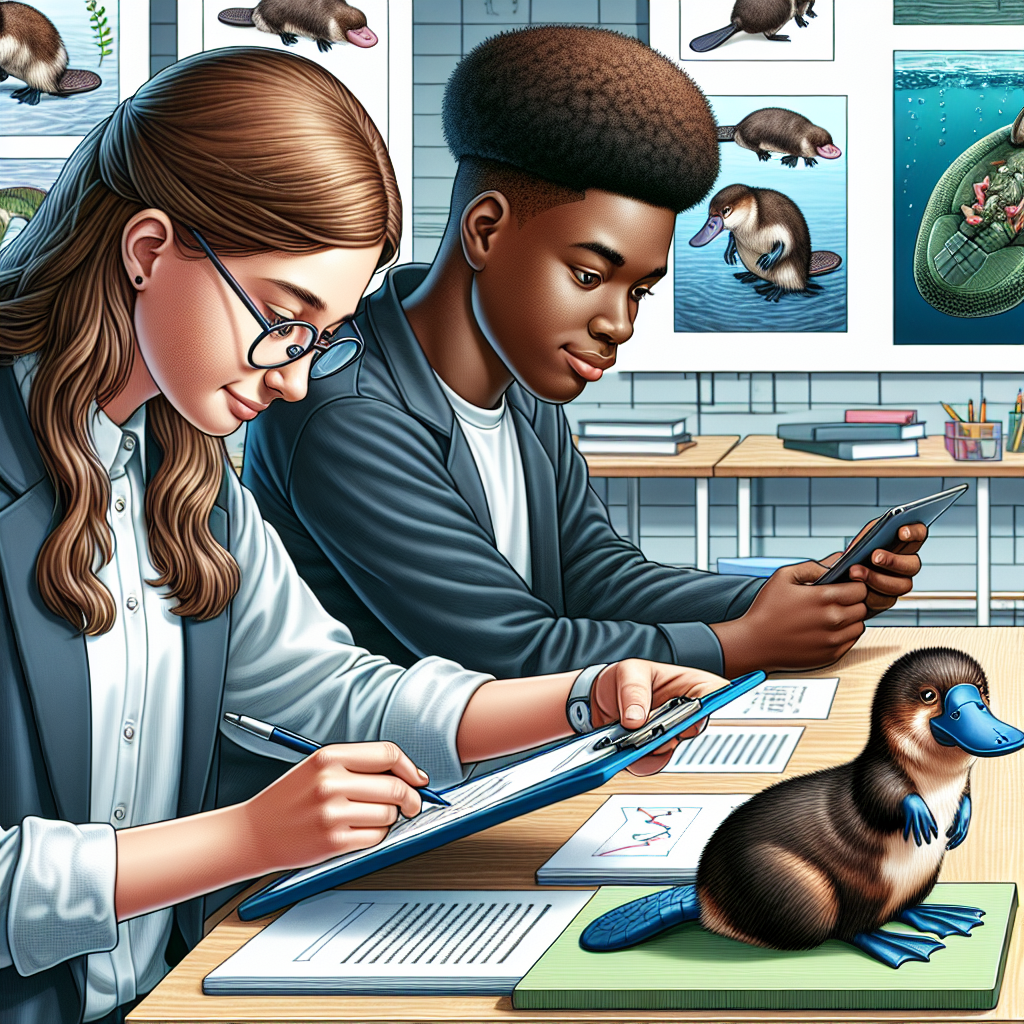
Unfamiliar creatures act as a catalyst for engagement. Imagine a lesson where the objective is to explore the adaptations of a platypus. Students could be tasked with researching its unique features, such as its duck-bill and webbed feet, which lead to discussions about evolution and adaptation. This hands-on exploration fosters a deeper understanding of biological principles.
Incorporating Random Animals into Classroom Activities
Teachers can creatively incorporate random animals into classroom activities, making biology lessons more vibrant. For instance, using a random animal generator can introduce an element of surprise into the lesson. Students might be tasked with presenting on an animal they discover, fostering research skills and public speaking abilities.
Project-Based Learning with Random Animals
Project-based learning can be particularly effective when using random animals. Students might create a detailed report on the ecological role of a randomly chosen animal. This project could involve researching the animal’s diet, predators, and role in its ecosystem, culminating in a comprehensive understanding of ecological interactions.
Enhancing Understanding of Evolutionary Biology
Random animals provide an excellent opportunity to discuss evolutionary biology. By examining unique adaptations, students can trace the evolutionary paths that have led to the diversity of life we see today. For example, the bizarre appearance of the axolotl can lead to discussions about neoteny and evolutionary advantages.
Case Study: The Evolutionary Wonders of the Axolotl
The axolotl, a fascinating amphibian, remains in its juvenile form throughout its life. This characteristic offers a gateway to understanding evolutionary processes like neoteny. Students can explore how retaining juvenile traits can be beneficial in certain environments, thus gaining insights into the complexity of evolution.
Using Random Animals to Explore Ecosystems
Exploring ecosystems through random animals can illuminate the intricate web of life. For instance, studying the role of a random insect in its environment can reveal the importance of biodiversity and interdependence among species.
The Importance of Biodiversity
Biodiversity is crucial for ecosystem stability. By focusing on a random animal, students can learn how every species, no matter how small, plays a vital role in maintaining ecological balance. This understanding can lead to discussions about conservation and the impact of human activities on natural habitats.
Interactive Learning with Random Animal Generators
Interactive tools like random animal generators can make learning biology more dynamic. These tools allow students to discover and learn about animals they might never encounter otherwise, broadening their understanding of global biodiversity.
Creating Interactive Lessons
Teachers can design lessons where students use a random animal generator to discover an animal, research its biology, and then present their findings. This approach not only enhances research skills but also encourages collaboration and communication among students.
Connecting Biology with Other Disciplines
Random animals can serve as a bridge between biology and other disciplines. For example, exploring the physics behind a kangaroo’s jump can link biology with physics, while examining the cultural significance of the panda can connect biology with anthropology.
Interdisciplinary Projects
Students can embark on interdisciplinary projects that examine how biology intersects with other fields. By studying the cultural impact of a particular animal, they can understand the animal’s significance in different societies, thus gaining a holistic view of its role in the world.
The Future of Learning Biology with Random Animals
The future of biology education lies in innovative approaches like using random animals. This method not only makes learning more engaging but also prepares students for a world that values creativity and critical thinking.
Embracing Technology in Education
With technological advancements, educators can utilize digital tools to enhance the learning experience. Virtual reality, for instance, can immerse students in the habitats of random animals, providing an up-close look at their behavior and interactions.
Conclusion: Embrace the Unpredictable in Biology
Incorporating random animals into biology education offers an unpredictable yet rewarding path to learning. By embracing the unknown, students not only gain a deeper understanding of biological concepts but also develop a lifelong passion for learning. So, next time you encounter a random animal, remember it might just be the key to unlocking a new world of biological wonder.